27 August 2017
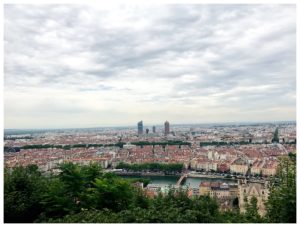 The French have long finessed food and flavour, culminating in the creation of experiential haute cuisine, creme de la creme of cheeses and vintage French wine. In the widely regarded French gastronomic capital, Lyon, also home to the father of French cooking – the three Michelin starred chef Paul Bocuse, these elements come together harmoniously to create a heaven for the connoisseurs.
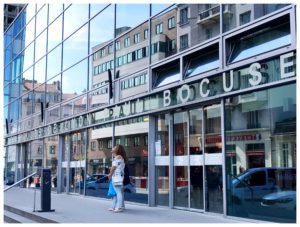 Where do chocolates fit in to this immersive culture of fine foods and wines? In and amongst traditional bouchons, multiple Michelin starred and plated restaurants, patisseries at every street corner and the many French markets including the revered Les Halles de Lyon Paul Bocuse, I sought to address this all important question.
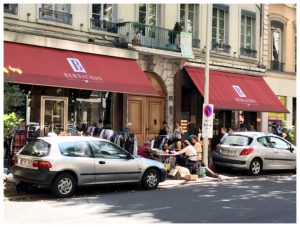 French chocolate perfection best describes Bernachon. From three generations of chocolate mastery, one wouldn’t expect anything less.
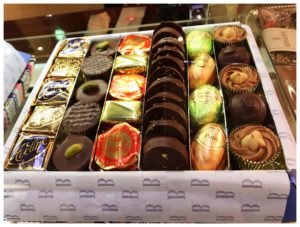 The chocolate experiences here are expansive, from generous-sized chocolate bon bons and bars to beautifully handcrafted pastries and cakes. The piece de resistance is the famous Le President, originally created in 1975 for the then French president. It’s a chocolate cake or, more accurately, a genoise containing hazelnut praline, cherry confit and tempered chocolate delicately shaved and shaped to resemble a blooming carnation.
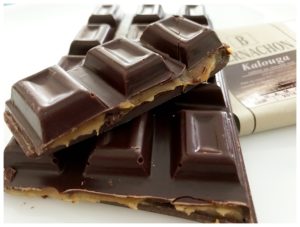 Equally as revered is the Palets d’Or, a decadent dark chocolate ganache decorated with edible gold leaf. My personal favourite is the Kalouga, gooey salted caramel in a dark chocolate bar with the perfect balance of sweetness, savouriness and texture.
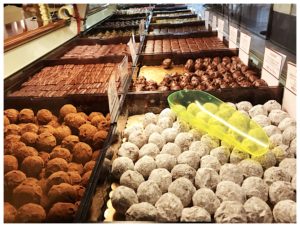 Established by Maurice Bernachon in 1953, Bernachon was subsequently handed down to his son Jean-Jacques and is now run by grandson Philippe, who also happens to be the grandson of Paul Bocuse.
The Bernachon chocolaterie, patisserie and confiserie is located next door to their tea salon/ restaurant, on Cours Franklin Roosevelt in the trendy 6th arrondissement of Lyon.
Y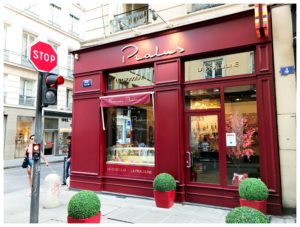 ou can’t miss a Francois Pralus boutique, even if you tried. It beckons to you with its crimson shopfront, glass display of the famous Praluline and the bright colours that have become characteristic of the brand.
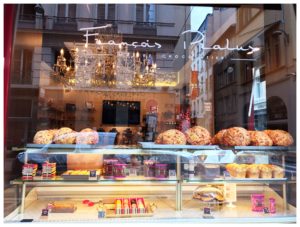 The Praluline has been a speciality here since 1955. It’s a brioche flavoured with Lyonnaise praline pieces, made of Valencia almonds and Piedmont hazelnuts coated in rose sugar and then cracked. The other key attraction is of course the Pralus wall of fame – the highly regarded bean to bar chocolates – over twenty varieties and predominantly single origin. These are made to Francois’ own specifications, using carefully sourced beans from across Latin America and Indonesia.
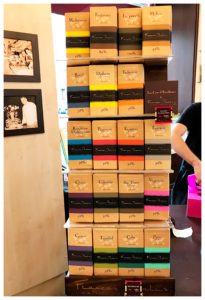 Francois has obviously followed in the footsteps of his father Auguste Pralus, a Meilleur Ouvrier de France patissier and creator of the Praluline. Receiving his initial training at Bernachon, Francois subsequently branched out to specialise in bean to bar, single origin chocolate creations.
Be wowed by the Pralus experience at one of two boutiques in Lyon – Saint Jean or Presqu’ile.
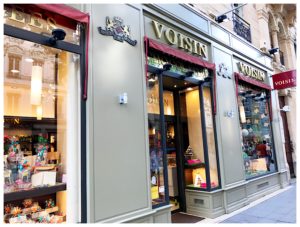 Voisin is almost as synonymous with Lyon as the traditional bouchons of the city. Regarded as one of Lyon’s leading chocolate makers, it was established in 1897 as a purveyor of coffee but soon expanded into chocolates.
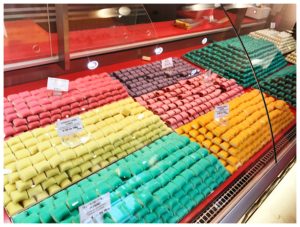 The must try here is the Lyonnaise confectionery and French national specialty known as Le Coussin de Lyon or The Cushion of Lyon. This sweet specialty was inspired by the annual tradition to commemorate the city’s triumph over the plaque epidemic in the 15th century. The tradition involves a procession up to the statue of the Virgin Mary, at the top of Fourvière Hill, with offerings of a golden coin and a seven-pound candle placed on a silk cushion. The Coussin de Lyon comprises a chocolate ganache enveloped in a thin layer of coloured marzipan, flavoured with a touch of Curacao liqueur.
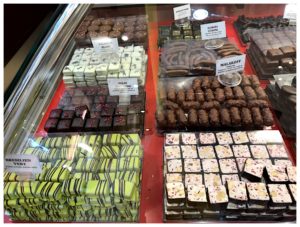 Voisin remains family owned after four generations, in partnership with the Boucaud-Maitre family, and is currently run by Franck Boucaud-Maitre.
Thankfully, you won’t need to look far to get a taste of Voisin’s Le Coussin de Lyon. There are fifteen Voisin shops throughout Lyon.
The world of Chokola is one where beauty, emotion and taste melds to create a visual and sensory feast. Every pastry, cake, bon bons, chocolate bar, macaroon, ice cream and chocolate lipstick is brought to life with this mission in mind.
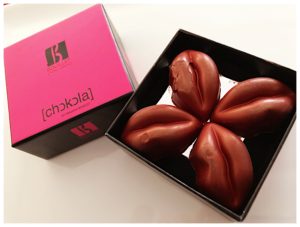 I stumbled upon Chokola’s praline kisses in the Les Halles de Lyon Paul Bocuse – a fortuitous discovery indeed. Perfectly shaped and plump lips with a crisp hazelnut praline and chewy vanilla caramel, encased in a thin chocolate shell. My only regret was not buying more. Another highlight is the special edition tablette, with an indulgent combination of gianduja, caramel and biscuit pieces, encased in dark chocolate.
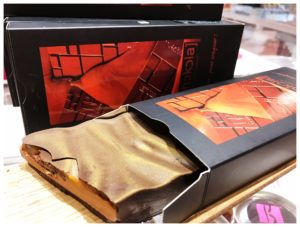 Sebastien Bouillet is the artisan behind Chokola. An accomplished patissier and chocolatier by trade, he inherited the family patisserie from his father and in the last 17 years, has lent his creativity to its expansion into chocolates, macaroons, ice cream and beyond.
The full Chokola experience awaits at the top of the La Croix-Rousse. Alternatively, you may visit the corner shop at the Les Halles De Lyon Paul Bocuse or one of five shops in Japan.
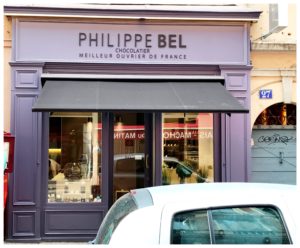 Fine French bon bons are the flavour of the day, everyday, at Philippe Bel. Here, you will find delicate and dainty ganaches, pralines and caramels with interesting flavours such as Nepalese pepper, yuzu, coriander and rosemary, as well as a selection of single and blended origin chocolate bars, all perfectly handcrafted and immaculately presented.
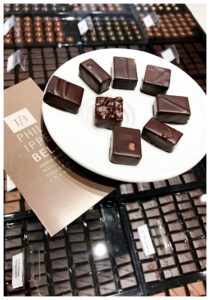 Philippe, an award winning Meilleur Ouvrier de France chocolatier, is the creative force behind these fine chocolate creations.
Head to Rue Tupin, behind Printempts, for a taste of Philippe Bel’s chocolates.
The Verdict:
The French flair for fine chocolates is undeniable. In Lyon, it’s plain to see that the impressive range of artisanal chocolates finessed through generational mastery fits perfectly into the city’s immersive culture of fine foods and wines. In my opinion, it’s the ultimate French chocolate experience for the passionate connoisseur, outside of Paris!
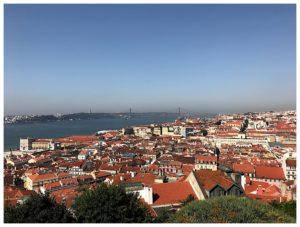 There are some cities in the world that you can’t quite figure out but leave you with a lasting impression. I’d put Lisbon in that category. Lively yet fairly laid back, it’s quite unlike most capitals in western Europe. With its Mediterranean climate of hot and dry summers plus mild winters, surely such conditions are suboptimal to spawn chocolate artisans?
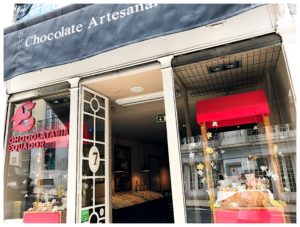 Contrary to what the name suggests, the chocolates do not come from Ecuador. They are in fact made bean to bar in Porto, using beans sourced from Latin America, including Ecuador, and Africa.
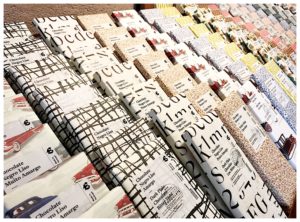 Deceivingly small on the outside, be prepared to be awed by the depth and breath of chocolate experience in the cavern-like, retro shop. Bean to bar chocolates for the purists, retro wrapped flavoured bars and minibars for the more adventurous, and bright coloured jewels of bon bons spanning an expansive glass display, just to name a few. Indulge in the flavours of Portugal with the dark or milk chocolate with Ginja (Portuguese sour cherry liquor) or port wine ganache, or tease your tastebuds with the dark or milk chocolate with explosive caramel.
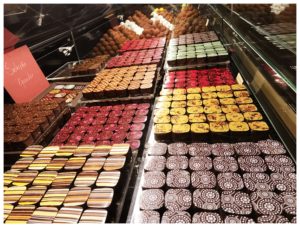 The creative minds of designer Celestino Fonseca, visual merchandiser Teresa Almeida and a Portuguese chocolatier are behind Chocolataria Equador, established in 2009. This explains the clever strategy and eye for design behind this brand.
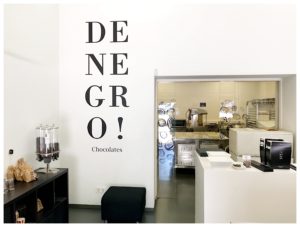 If you’re into the aesthetics of chocolate as much as the taste, then De Negro! should be on your Lisbon chocolate itinerary.
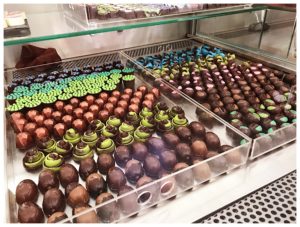 The bon bon flavours range from traditional to contemporary, with a common theme to showcase locally sourced Portuguese ingredients. For example, the sea buckthorn with sea salt ganache is made using sea salt sourced from Castro Marim in Algarve, the olive oil ganache is made using olive oil from Acushla in Alto Douro and the banana with aguardente (aged Portuguese brandy) ganache is made using aguardente from Ramos Pinto.
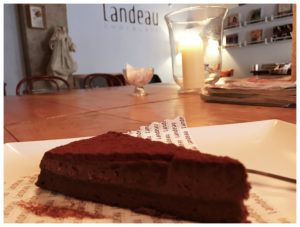 You don’t need to wreck your brains over choices at Landeau. Fans come here for one thing, and one thing only. Landeau’s chocolate cake is a great example of needing only one earth shattering recipe to run a chocolate business. And believe me – the chocolate cake is life changing!
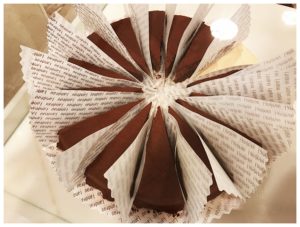 Sofia Landeau lends her name to this chocolate creation. A London-trained interior designer, she started making her chocolate cake while working as a cafe manager in Lisbon. The rest, as they say, is history.
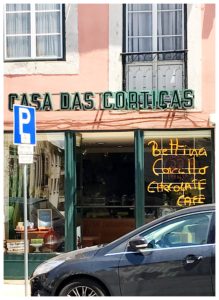 From the outside, the Bettina and Niccolo Corallo Cafe may look like any other, serving coffee and chocolate treats. Venture in and you’ll be pleasantly surprised. And if you’re a chocolate aficionado like me, you may end up staying for a bit.
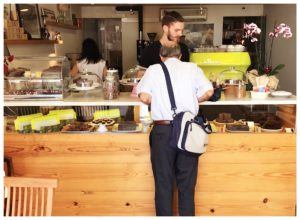 The chocolate experience at the Cafe starts with Bettina at the serving counter, who happens to be the wife of Claudio Corallo – one of the pioneers of craft bean to bar chocolates based in São Tomé. Their sons Niccolo and Amadeo run the back of the shop, roasting the precious commodities and turning them into tasty treats.
 The Bettina and Niccolo Corallo Cafe is located along the
  For the die-hard chocolate historians and aficionados, the answer is simple – van Houten. The father and son team of Casparus and Coenraad van Houten are credited with revolutionising the process of cocoa production in the 19th century. Casparus developed the method for extracting cocoa butter from cocoa beans while Coenraad invented the Dutch or alkalising process for cocoa production. The rest, as they say, is history…..
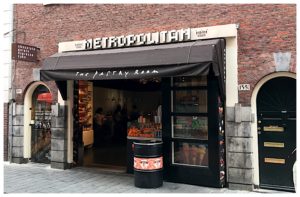 Metropolitan is a contemporary cafe of all things chocolate. Here, you can indulge in chocolates, ice creams, pastries, cakes, Dutch pancakes, waffles, chocolate meringues and anything else that you can think of, typically coated in chocolate.
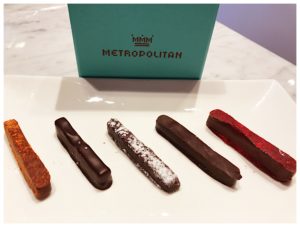 Metropolitan is the chocolate venture of celebrity Dutch chocolatier Kees Raat, one time apprentice at Chocolaterie Pompadour, previous owner of Unlimited Delicious and creator of the Dutch chocolate festival Chocoa.
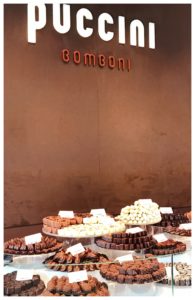 Puccini Bomboni is renowned for their handmade bon bons. So renowned that, in fact, some rate their bon bons to be amongst the top ten in the world!
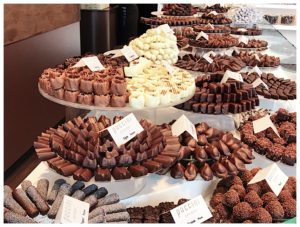 Puccini Bomboni is the labour of love of mother and daughter team Ans van Soelen and Sabine van Weldam. It started out as a dessert shop in Staalstraat in 1988, evolving with time into a specialist chocolate shop.
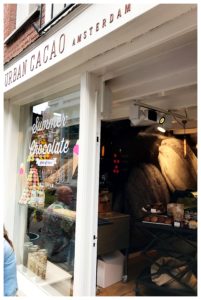 Hip and funky best describes this bean to bar chocolate shop. The specialty here are the single and blended origin bars wrapped in bright coloured packaging, handmade bon bons comprising ganaches, pralines and truffles, and ice cream. The latter was unfortunately sold out due to the “heatwave” on the day that I visited.
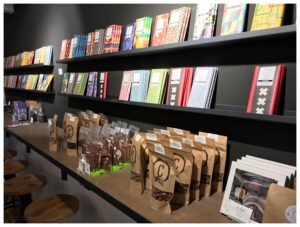 Urban Cacao is a relative newcomer to the Amsterdam chocolate scene, established in 2013 by the duo of Hans Mekking and Jochem Keune. Hans is a well regarded chocolatier, patissier and glacier while Jochem is a sales and marketing extraordinaire.
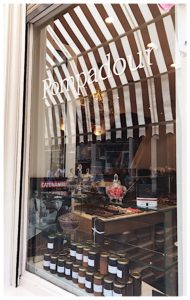 Peek through the window display of tantalising cakes, pastries and chocolates, and you’ll most likely be enticed to set foot into Pompadour. I don’t blame you – the artisanal sweet treats here are meticulously crafted on-site and the chocolates are proudly made from Valrhona couverture chocolate.
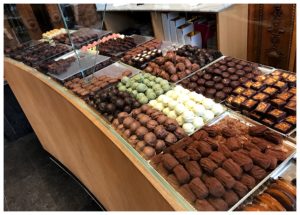 This cosy chocolate shop and tea room is located in
 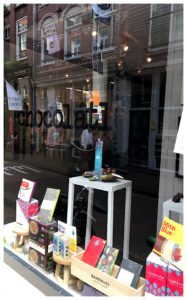 Chocolatl is a chocolate connoisseur’s dream. It’s so easy to loose track of time immersing one’s self in their impressive global selection of single origin, bean to bar, artisanal chocolates, as well as tasting and exchanging flavour notes along the way. It’s here that I finally found chocolates from Beau Cacao, Mirzam, Pump Street Bakery and Friisholm, just to name a few. This is definitely up there on my list of favourite specialty chocolate shops in the world!
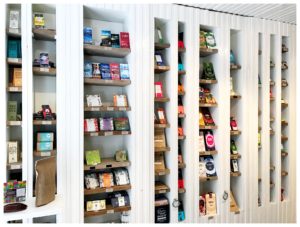 Owner Adil is truly knowledgeable and passionate about his chocolates, and very generous with his time. I could have spent hours just discussing chocolate. To top it off, he features a great selection of chocolate books and bibles that customers are welcomed to browse through, as they sit down to a cup of coffee or single origin hot chocolate.
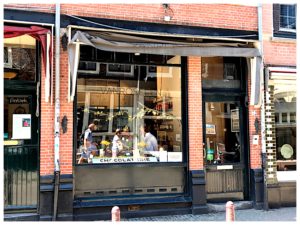 It’s all about chocolate choices at Vanroselen. They pride themselves in their hand-crafted selection of bon bons featuring traditional and contemporary flavoured ganaches and pralines, liquor filled chocolates and chocolate coated candied fruit. In addition, chocolate lovers may also choose from their commendable selection of international, single origin, bean to bar, artisanal chocolates including Amedei, Francois Pralus, Taza, Bonnat, Blanxart and Raaka.
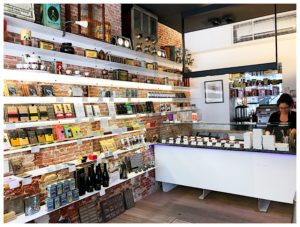 I was served by Yasmijn, a passionate foodie and food photographer who shared with me the story and vision of Vanroselen.
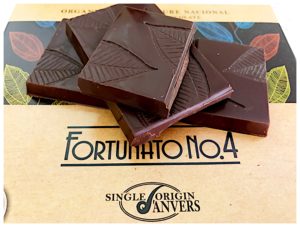 It’s an undisputed fact that the variety of cacao is a key factor that influences the flavours of the eventual chocolate. Case in point, consider the intensely fruity Peruvian Nacional Fortunato No. 4, the fruity and acidic rare Venezuelan criollo Chuao, the earthy, nutty and mildly fruity Venezuelan criollo Porcelana and the earthy, honey-like and fruity wild criollo Beniano from Bolivia.
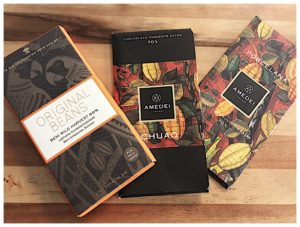 The issue that divides experts in this field is the genetic purity of today’s cacao varieties. As a result of natural cross fertilisation and extensive agricultural intervention, some may argue that it’s inaccurate to refer to cacao varieties as being purely Forastero, Criollo, Trinitario and/ or Nacional. I believe that this ambiguity adds to the intrigue of the cacao and the flavour characteristics of the chocolate.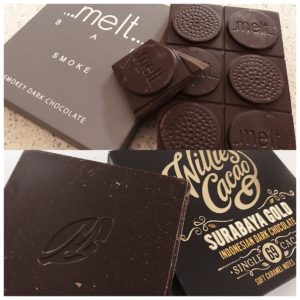
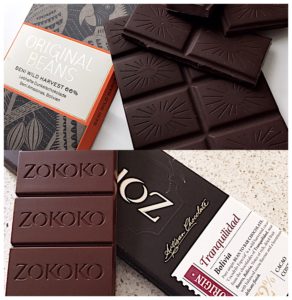 The beauty of terroir is that similar varieties of cacao from the same country or region may end up tasting different due to variances in conditions such as climate, soil, terrain, altitude and the degree of human intervention. For example, Original Bean’s Beni Wild Harvest, made from rare and wild Beniano cacao that grows in the depths of the Bolivian Amazon, tastes different to Zokoko’s Tranquilidad, made from Beni cacao found only in the rainforests of the Beni, in the north eastern region of Bolivia. The latter is earthy, fruity, acidic and mildly nutty while the former has the added complexity of honey and roasted tea leaves.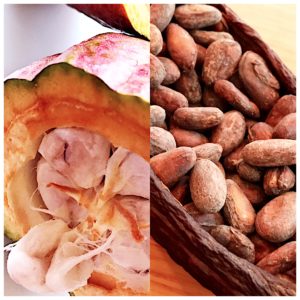
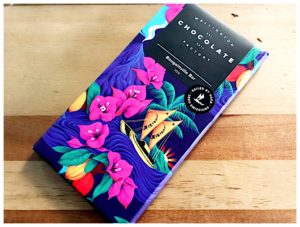 To stop the fermentation process, preserve the cacao beans and prevent growth of unwanted microorganisms, the beans are subjected to air drying under the sun. However, in the highly humid and sometimes rainy conditions of the tropics and equator where cacao grows, air drying may not always be possible. Under such circumstances, farmers may resort to fire or smoke drying which imparts a smoky character to the beans. Wellington Chocolate Factory’s Bougainville 70% bar is one such example of smoke-dried cacao beans imparting distinctly smoky notes to the chocolate.
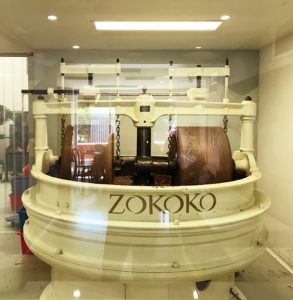 Generally, the more intense the roasting, the more prominent the manifestation of roasted/ toasted and caramelised notes in the chocolate. As for conching, some makers swear by the traditional melangeur (Amedei, Zokoko and Monsieur Truffe) while others resort to modern equipment. And the longer the conche, the smoother the mouthfeel and the more refined the flavours.
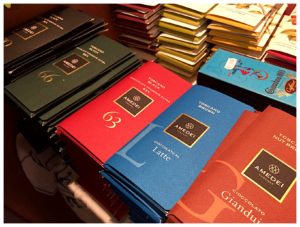 In terms of ingredients, purists believe that only cane sugar is needed to complement the cacao liquor (solids and butter). On the other hand, it’s not unusual for chocolate makers to add vanilla or vanilla extract for flavour. Amedei incorporates vanilla into their entire chocolate range, including the revered Chuao and Porcelana bars. Milk solids and milk powder are added to create milk chocolate while cocoa butter may sometimes be used to enhance the smoothness and mouthfeel of chocolate. Be weary of chocolate that contains vegetable oils as a substitute for cocoa – you are getting an inferior product. Pay attention to your food labels and choose wisely.
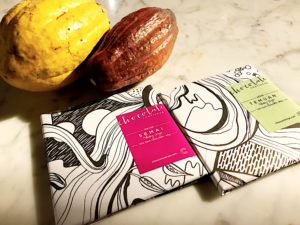 I’m super keen to discover
 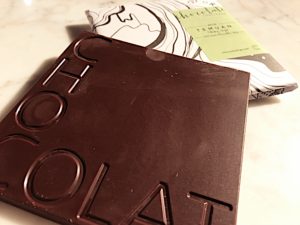 We start off with the Temuan 70% dark chocolate, named after the tribe that collects the wild cacao pods in the jungles of Pahang, the state in the heart of Peninsular Malaysia. Ning extracts the beans then ferments and roasts them, hence the term “Pod to Bar” on the label. I take my first whiff and immediately, my senses are awash with the scents of dried plum/ prunes, honey and traces of spiciness. The chocolate has a sharp snap, an indication of good tempering – not an easy feat in the Malaysian humidity and heat, I might add. The chocolate is acidic and fruity, the flavours resembling prunes. There’s a hint of coffee and mild smokiness, but a clean aftertaste.
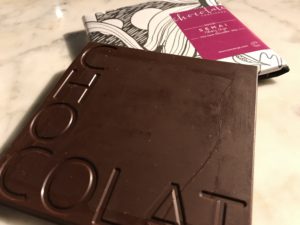 Next up, the Semai 70% dark chocolate. This is apparently the very first batch, made from wet beans harvested and extracted by the Semai tribe in Pahang. Ning meticulously ferments and roasts the precious beans, to showcase their unique flavour profile. The aromas are distinctly tropical and very different to the Temuan bar – think mangoes and lanzones (tropical fruit also known as langsats). The chocolate is well tempered, as characterised by the sharp snap. This bar is also acidic and fruity, with a tropical slant, most prominently tasting of mangoes with the freshness of green apples. It has a long finish and leaves a clean aftertaste in my mouth.
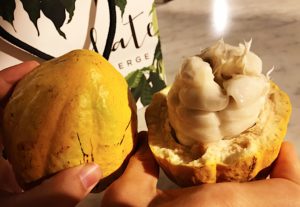 Ning surprises me with the piece de resistance, when I think that things can’t get any better. He presents me with two beautiful and distinctly different cacao pods. We break one of them open and savour the tasty morsels encapsulated within it. The beans are surrounded by a layer of pulp or mucilage, the flavours of which closely resemble the tropical fruit mangosteen; fruity, slightly sour and pleasantly sweet. The beans, on the other hand, are rather tasteless. This has certainly given me a better appreciation for the downstream processes of fermentation and roasting, which brings out the flavours and unique characteristics of the beans.